Field notes: the Sunday night before a WASDE nobody could agree on
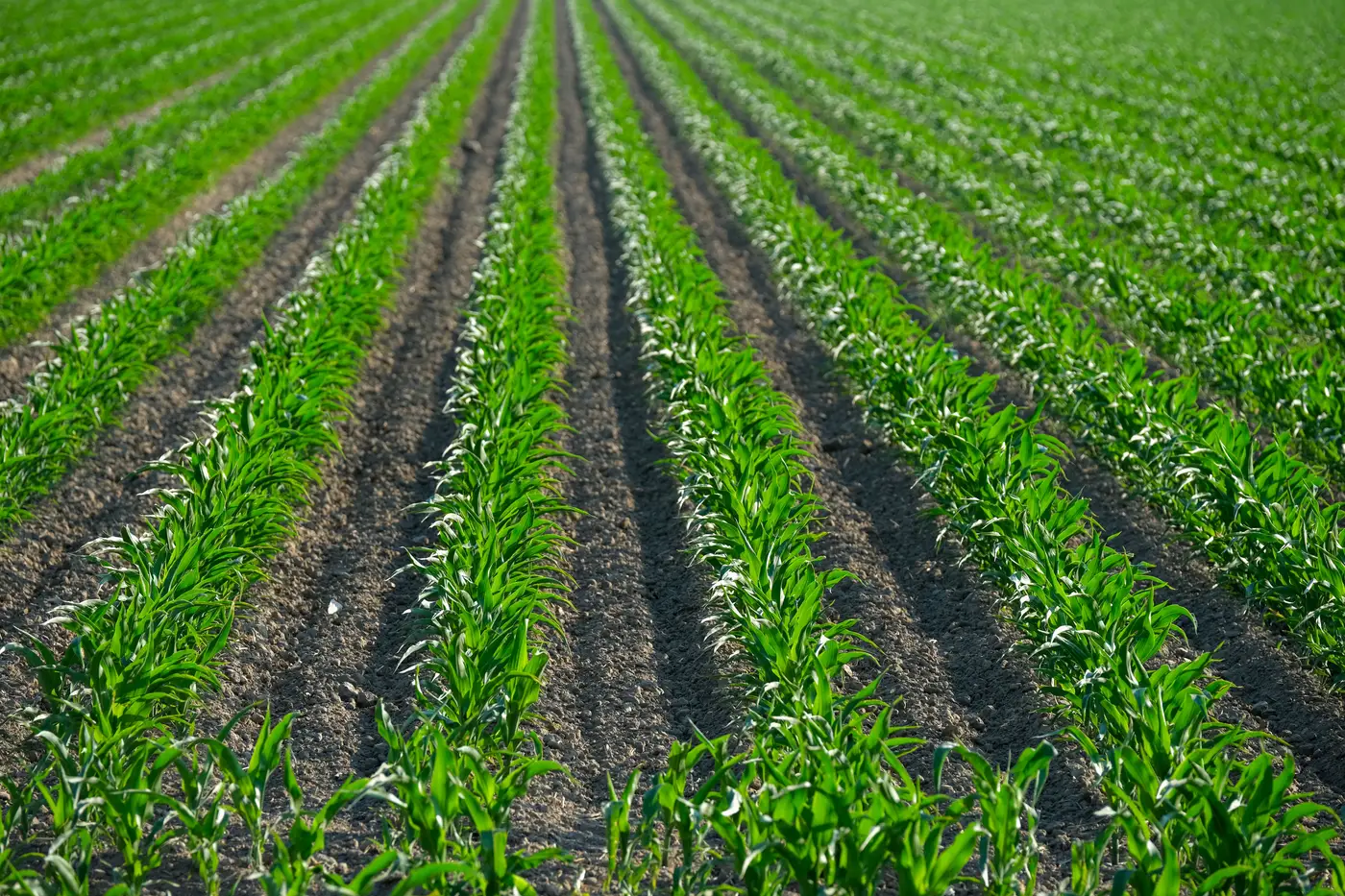
The spreadsheet of analyst guesses came in wider than usual this month. Corn yield estimates ranged almost four bushels an acre from low to high, and the soybean acreage number had three different shops landing more than a million acres apart. By Sunday evening the group chats had gone quiet in that particular way they do when nobody wants to be the first to commit to a number they might have to defend on Tuesday.
This happens most cycles, to be fair. A trade guess is a trade guess, built on crop tour notes from three weeks ago, a handful of elevator calls, and whatever the state condition ratings did the last two Mondays. But this one felt wider than normal, and talking it through with a few desk neighbors Sunday night, the reason kept coming back to the same thing: the condition data everyone was using to build their number was already stale by the time it got plugged into a model.
State-level good-to-excellent ratings move in big, blunt steps. A state goes from 62% good-to-excellent to 58%, and that two-point move gets treated like gospel even though it's an average across counties that look nothing alike right now. One county's crop stalled out during a dry stretch in late July and never fully recovered. The county two over got a well-timed rain the same week and is tracking fine. Both show up in the same statewide number, and the analyst building a national yield estimate has no easy way to tell which county is driving the miss.
That's the part that made Sunday night's conversation more interesting than usual. A couple of people at the table had been pulling vegetation-index reads at the regional level rather than relying purely on the weekly condition bulletin, and their county-by-county picture didn't match the state average cleanly at all. One pocket was running noticeably behind where the ratings implied, and it happened to be a pocket with real production weight. Nobody was treating it as gospel either, but it gave them a reason to lean a touch lower on yield than the crowd, and a specific geography to point to when someone asked why.
Picking a number on a Sunday like that comes down to having a reason for it that survives contact with the release, something grounded in where the crop actually sits rather than in a statewide average that smooths over the parts that matter. The desk that can say "the eastern third of the state is behind, here's the stress pattern, here's when it started" is in a better spot than the desk that just split the difference between two outside guesses.
None of this replaces the report. It never will, and anybody telling you otherwise is selling something. The report is still the report, the number that settles the trade and resets everyone's book. But the three or four weeks between planting progress and that number printing are not a blackout period, and treating them like one is how a desk ends up flat-footed on Tuesday morning. We built the vegetation-index and planted-area feed behind Soft Commodity Signals's home page for exactly that stretch, so a trader isn't working off a statewide average that's two weeks stale when the guesses start getting typed into a spreadsheet.
The report posted Tuesday morning came in on the lower side of the range, closer to where the eastern-pocket argument had pointed than to the consensus average. Not a dramatic miss, nothing that moved a season. But it was the kind of Tuesday where the desk that had a specific county to point to on Sunday night looked a lot smarter than the one that just averaged two outside guesses and called it a day.
If your Sunday nights could use a sharper regional read before the next print lands, that's the gap this is built to close.