Field notes: the week a dry spell in the Black Sea moved wheat before the CBOT caught up
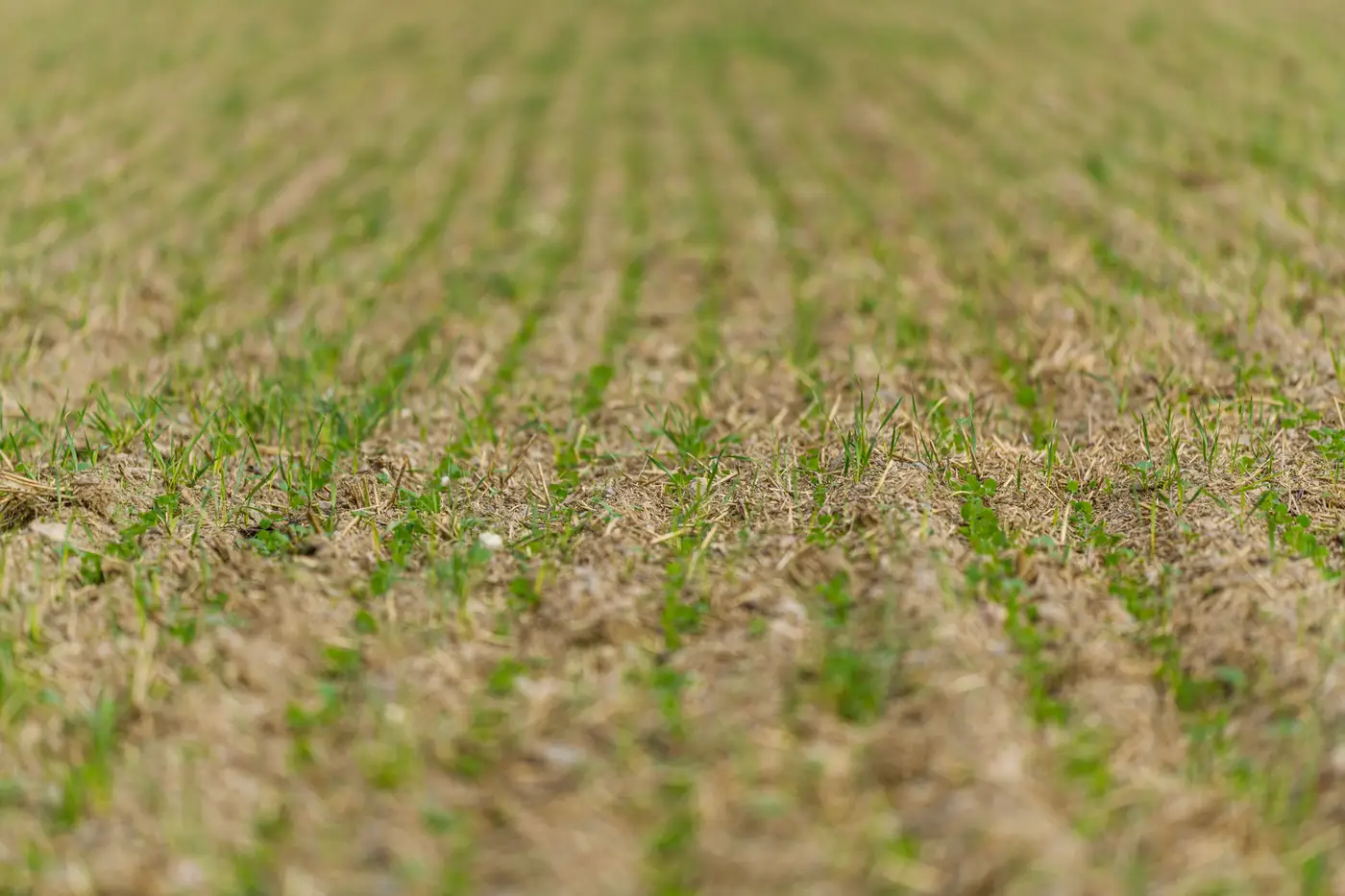
The first sign showed up as a basis call out of Novorossiysk, sounding a little too relaxed for late October, like the exporter on the other end hadn't checked his own country's rainfall totals in three weeks.
That's usually the tell. Not the number, the tone.
Winter wheat in Rostov, Krasnodar, and Stavropol had gone into dormancy under decent topsoil moisture back in September, which is the story most desks were still running with into November. But the rain had stopped falling in mid-October across a wide band of that belt, and it kept not falling. No single data point screamed drought. It was the accumulation: three weeks, then four, with emergence stands that looked thinner on the edges than they should have for the calendar date.
CBOT December wheat didn't move on it. Why would it? The official read on Black Sea condition comes out on a lag, filtered through ministry statements and the occasional field report from a consultancy with boots in one or two oblasts. By the time that read firms up into something tradable, the dry spell is old news to anyone who was watching the ground itself.
I pulled up canopy curves for the three oblasts side by side, the kind you get from wide-swath passes rather than a single clear-sky snapshot that happens to catch one county on a good day. The pattern across Rostov was the one that mattered: vigor had been tracking a normal curve through late September, then started bending below it right around the point the rain shut off. Krasnodar held up longer, closer to the coast, more residual moisture in the profile. Stavropol looked rough early and stayed rough.
None of that is a yield number. It's a read on stress before the plant has fully committed to it, which lands weeks earlier than a drought headline that shows up only after the damage is visible from a highway.
What struck me, going back through the week, was how little of this showed up in the usual places. The trade press ran a couple of lines about "dry conditions in parts of southern Russia" with no specificity attached, the kind of phrase that could mean one bad county or six. Export offers out of the region held steady into the first week of November. The move didn't show up in flat price until almost three weeks later, once ministry commentary started hedging its own production language and a couple of consultancies quietly trimmed their Russian wheat numbers.
By then the curve had already told the story. Vigor in Rostov had bottomed and flattened out at a lower plateau. That's the part a monthly bulletin misses: when a stressed crop stops getting worse, and whether the plant has enough reserve to shrug it off or whether the thinning shows up later as abandoned acres or a lighter test weight come June.
By the time the official crop report confirmed the dry spell, the ground had been showing it for three weeks. The report still sets the number everyone trades off, but it runs on a release calendar, not a weather event. The lead time comes from watching something that updates on its own schedule instead.
That's the gap a weekly read on canopy condition across those oblasts is built to close: regional vegetation curves and planted-area estimates, updated weekly, so a dry spell shows up in your feed around the same time it shows up in the field.
If you'd rather see the curve than wait for the bulletin, that's the whole point of what we're building.