What is a weather market, and how is it different from a fundamentals rally
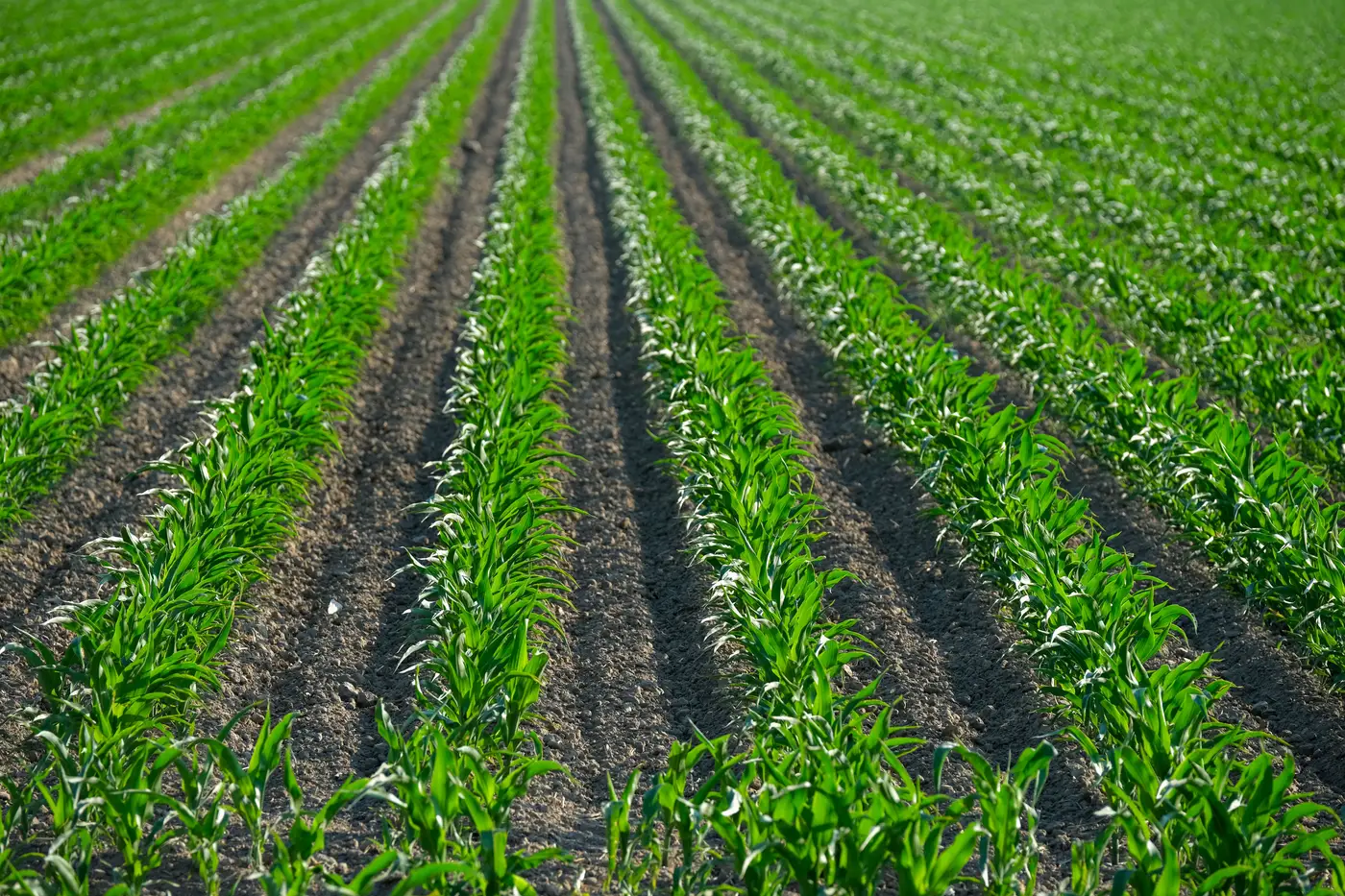
Every July, somebody on the desk says "this is turning into a weather market" like it explains everything. It does and it doesn't. Knowing what that phrase means, and when it stops applying, is the difference between riding a rally and getting run over when the rain finally shows up.
What a weather market is
A weather market is a stretch where price moves mostly off the forecast for the next 7 to 14 days, not off anything that's already happened to the crop. Corn pollinating into a dome of 95-degree days with no rain in the model runs. Soybeans setting pods during a dry August with the GFS and ECMWF disagreeing on whether a ridge breaks. None of that shows up in a WASDE yet. The crop condition ratings might still say 65% good-to-excellent. But the funds are trading the next two weeks of GDUs and precip, and open interest builds on forecast chatter alone.
The tell is simple: price is moving and the fundamentals haven't changed. Export sales didn't surprise anyone. Crush margins are flat. Carryout estimates are sitting where they sat last month. The only new input is six days of a hot, dry pattern that may or may not verify. That's weather premium, and it gets built and unwound on model runs, not on data releases.
How that's different from a fundamentals-driven rally
A fundamentals rally has a paper trail. Export demand comes in above trade estimates for three weeks running. A competing origin has a logistics problem and buyers shift to the Gulf. Crush capacity comes online faster than the old-crop carryout math assumed. Each of those is a fact you can point to on a specific date, and the rally tends to hold because the underlying number that set the price moved.
Weather premium doesn't have that paper trail, and it doesn't hold the same way. It's forward-looking and conditional: priced in because the next two weeks look dry, and priced right back out the moment a forecast update adds rain to day 9. That's why weather markets are fast both directions. The same move that takes beans up 40 cents on a dry Monday can give half of it back on a Thursday model run that nobody outside the trade desk even reads.
The practical confusion is that both look the same on a chart. A sharp move up is a sharp move up. The difference is underneath it, and it matters for how you hold the position. Fade a weather rally too early and you get run over by the next dry run. Hold a fundamentals rally like it's weather premium and you give back gains waiting for a pullback that was never coming, because the thing that moved the market wasn't a forecast, it was a fact.
Where the crop condition data fits in
Neither side of this trade has great visibility between report dates. The weather market trades the forecast because the forecast is the only new information available week to week. Crop condition ratings from the official reports update on a set schedule and lag what's happening in the field, especially during the exact weeks, pollination, pod set, canopy stress, when a few days of heat or a timely rain actually decide yield. A trader positioning off a dry forecast is making a bet on what that dry spell will do to the crop, not what it has already done, because nobody has a current read on the crop itself.
That gap, the stretch between "the forecast says dry" and "the official report confirms what dry did to condition," is exactly where regional vegetation-index data earns its keep. Soft Commodity Signals tracks weekly vegetation-index curves and planted-area estimates by growing region from satellite passes, so you're watching how the crop is responding on the ground while the weather market is still trading the forecast.
Next time someone calls it a weather market, you'll know whether to trust the move or wait for the crop to tell you something the forecast can't.